TL;DR:
- Many patients overestimate the safety of modern plastic surgery, as complications can affect up to 50% of body contouring cases, though most are minor. Choosing a CQC-registered clinic, verifying surgeon qualifications, and maintaining open, honest communication can significantly reduce risks and improve outcomes. Understanding procedural trends and practicing thorough aftercare are essential steps toward achieving realistic expectations and safe, satisfactory results.
Most people heading into a private consultation assume that modern techniques have made plastic surgery almost entirely safe. That assumption deserves a serious challenge. Up to 50% of patients undergoing body contouring will develop some form of complication, even if the majority are minor and manageable. Knowing this upfront does not mean steering clear of surgery. It means entering the process with clarity, choosing the right team, and understanding exactly what your journey could involve. This guide gives you that clarity.
Table of Contents
- Understanding private plastic surgery in the UK
- What the numbers say: trends and procedure volumes
- Safety, complications, and what the data really means for you
- How to choose the right surgeon and clinic
- Maximising your results: realistic expectations and aftercare essentials
- Why honest conversations and personal research matter more than ever
- Connect with safe, trusted private plastic surgery experts
- Frequently asked questions
Key Takeaways
| Point | Details |
|---|---|
| Choose regulated professionals | CQC and specialist registration ensure your care team meets the highest UK safety standards. |
| Expect some risks | While most complications are minor and manageable, knowing the data helps you plan with your eyes open. |
| Understand procedure trends | Breast, body, and facial procedures are most in demand, with audited data guiding your options. |
| Aftercare is vital | Following your surgeon’s recovery plan can significantly reduce complications and improve your outcome. |
| Ask honest questions | Informed, open communication with your care team leads to better satisfaction and safer experiences. |
Understanding private plastic surgery in the UK
Before diving into outcomes and risks, it is important to clarify what private plastic surgery means and why so many people pursue it each year. Private plastic surgery is elective, paid-for treatment performed outside the NHS. You self-fund or use private medical insurance, and in return you typically access shorter wait times, greater choice of procedure, a more personalised approach, and significantly more privacy throughout your care.
People choose private routes for many reasons. Some want a procedure the NHS simply will not fund, such as breast augmentation for cosmetic reasons or abdominoplasty after significant weight loss. Others prioritise the ability to choose their own surgeon and to receive a bespoke treatment plan shaped around their individual anatomy and goals. The range of procedures available privately is broad.
Common private plastic surgery procedures include:
- Breast surgery: augmentation, reduction, uplift, and implant revision
- Body contouring: abdominoplasty (tummy tuck), liposuction, arm lifts, and thigh lifts
- Facial procedures: rhinoplasty, blepharoplasty, facelifts, and ear correction
- Fat transfer: Brazilian butt lift, fat grafting to the face or breast
- Skin and scar treatments: both surgical and non-surgical options
Regulation matters here. The Care Quality Commission regulates cosmetic surgery involving instruments or equipment inserted into the body, meaning any reputable clinic offering invasive procedures must meet strict standards for safety and clinical governance. This is a non-negotiable requirement, not a nice-to-have.
“Choosing a provider that is CQC-registered is one of the most important steps any patient can take before committing to private surgery.” — widely reinforced by UK patient safety organisations.
When selecting procedures safely, understanding the regulatory landscape helps you filter out clinics that cut corners. For a broader picture of how private vs public healthcare compares across cost and access, it is worth doing your own research before committing.
What the numbers say: trends and procedure volumes
Now that you know what private plastic surgery covers, let us look at how prevalent it is and which procedures are most popular among patients in the UK. The data paints a picture of a growing, regulated industry with consistent demand and a strong focus on safety monitoring.
The BAAPS 2024 audit recorded 27,462 procedures among member surgeons alone, including 5,202 breast augmentations and 2,997 abdominoplasties. These figures represent only BAAPS members, meaning the actual volume of private cosmetic surgery in the UK is considerably higher.
| Procedure | Volume (BAAPS 2024) |
|---|---|
| Breast augmentation | 5,202 |
| Abdominoplasty | 2,997 |
| Blepharoplasty (eyelid surgery) | 3,418 |
| Rhinoplasty | 1,744 |
| Liposuction | 2,105 |
Key takeaways from current procedure trends include:
- Breast surgery remains the single most requested cosmetic procedure category in the UK
- Body contouring procedures have grown steadily, driven by improved surgical techniques and more accessible recovery protocols
- Facial procedures, particularly blepharoplasty, are increasingly popular among patients in their forties and fifties
- Non-surgical aesthetics are rising, but surgical procedures maintain strong demand because results are longer lasting
Statistic worth noting: Demand for body contouring has surged in recent years partly because of increased awareness of what is achievable and partly because recovery times have shortened with newer techniques.
Understanding these trends helps you set realistic expectations. When you are safely evaluating options for your own journey, knowing which procedures are most commonly performed gives valuable context. You can read more about explained options and safety if you want a deeper comparison before choosing a direction. The latest cosmetic procedure trends also highlight how patient preferences and technology continue to shape this sector.
Safety, complications, and what the data really means for you
Understanding volume and demand only matters if you know the true safety record and what complications might mean for your journey. Many patients focus on outcomes and aesthetics, but a frank conversation about risk is equally essential.
The honest picture is nuanced. Most complications in plastic surgery are minor, manageable, and resolve with proper aftercare. Serious, life-altering complications are rare in well-regulated settings. But up to 50% of body contouring patients will experience some form of complication, which is a figure that surprises most people expecting near-perfect safety records.

A large TOPS study tracking plastic surgery outcomes found that perioperative complication rates for common procedures were generally low: seroma (fluid collection) at around 1.1%, DVT or PE at just 0.1%, and unplanned hospital readmission at 0.33%. These numbers reassure, but they do not eliminate the need for careful planning.
Here is a clear breakdown of complication types and approximate severity levels:
| Complication | Frequency | Severity |
|---|---|---|
| Bruising and swelling | Very common | Minor, temporary |
| Seroma (fluid accumulation) | Around 1.1% | Moderate, treatable |
| Wound infection | Below 2% | Moderate, requires antibiotics |
| Haematoma (blood collection) | Below 2% | May need drainage |
| Nerve changes or numbness | Variable | Usually temporary |
| DVT or pulmonary embolism | 0.1% | Serious, preventable |
Steps to minimise your personal risk:
- Be transparent with your surgeon about your full medical history, current medications, and lifestyle habits such as smoking.
- Follow all pre-surgical instructions precisely, including stopping blood-thinning medications at the advised time.
- Arrange adequate support at home for your recovery period, especially if you have young children or a physically demanding job.
- Attend all pre-operative assessments and do not skip follow-up appointments after surgery.
- Know the warning signs that require urgent medical attention: increasing redness, unexpected warmth, fever, sudden sharp pain, or unusual swelling.
“Minor complications in body contouring are common but manageable; the key is having a clinical team with clear protocols to address them promptly.” — reinforced by BAPRAS guidelines.
Pro Tip: Ask your surgeon specifically about their personal complication rates for the procedure you are considering, not just industry averages. Experienced surgeons with high volumes often have better outcomes than those performing a procedure infrequently.
Reading up on recovery tips before your surgery date can also make a significant difference to how quickly and comfortably you heal.
How to choose the right surgeon and clinic
Now, with a clear sense of procedures and risks, you need to know how to choose a team you can truly trust. This is arguably the most important decision in the entire process, and it deserves thorough attention.
The CQC defines and enforces standards for all clinics and surgeons administering invasive cosmetic surgery. Any provider you consider should hold current CQC registration for the specific procedures they offer. This is verifiable online and should be a non-negotiable first filter.
Here is a practical step-by-step checklist for vetting a surgeon and clinic:
- Verify GMC registration: Every surgeon practising in the UK must be registered with the General Medical Council and hold a licence to practise.
- Check specialist register listing: The surgeon should appear on the GMC’s specialist register under plastic surgery, not just as a general practitioner.
- Confirm BAAPS or BAPRAS membership: These professional bodies require members to follow audit standards, ethical guidelines, and ongoing professional development.
- Review the clinic’s CQC inspection report: Accessible on the CQC website, these reports detail any concerns raised during inspections.
- Request a genuine consultation: A reputable surgeon will not rush you. You should have sufficient time to ask questions, discuss alternatives, and receive clear information about risks.
- Ask about aftercare protocols: Good clinics have structured post-operative care plans, not just a single follow-up call.
Pro Tip: If a clinic discourages questions about complications or pushes you towards a decision before you feel ready, walk away. Pressure tactics are a serious red flag in elective surgery settings.
Understanding board-certified plastic surgeons and how their credentials translate into safer outcomes is essential reading before making a final choice. You can also explore how surgeon qualifications and outcomes correlate in real clinical settings. If you are considering whether private medical insurance could cover any element of your care, reviewing options for insurance for private surgery may be useful.
Maximising your results: realistic expectations and aftercare essentials
Choosing the right team is only half the equation. The other half is what you do before and after surgery to help ensure the best possible outcome. Many patients underestimate their own role in the healing process.
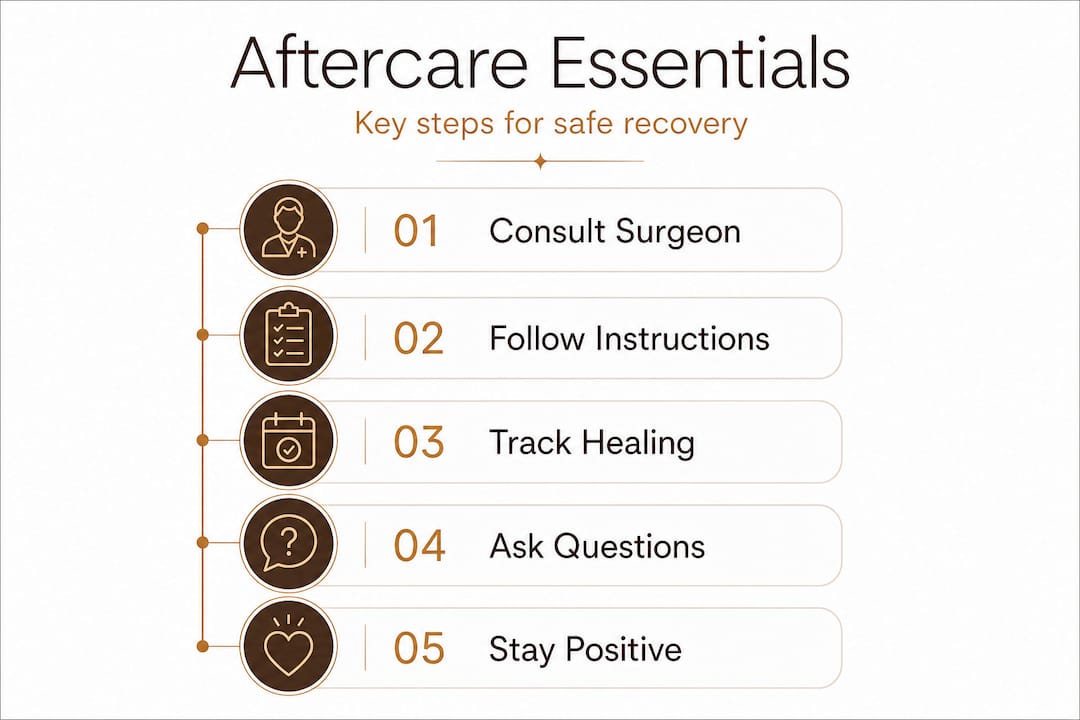
Setting realistic goals starts at the consultation stage. A trustworthy surgeon will show you what is genuinely achievable based on your anatomy, skin quality, and health. Results that look extraordinary on someone else’s body may translate differently on yours, and that is not a failure of technique. It is simply biology. Understanding this upfront prevents disappointment and fosters a healthier relationship with your results.
Key aftercare principles that significantly affect outcomes include:
- Follow your surgeon’s instructions exactly. Instructions about compression garments, wound care, activity restrictions, and follow-up timing exist for clinical reasons, not administrative convenience.
- Rest is not optional. Pushing your body too early after surgery increases the risk of complications, including wound dehiscence (where wounds reopen) and delayed healing.
- Stay well nourished and hydrated. Protein and micronutrients support tissue repair. Your body needs fuel to heal.
- Avoid smoking throughout recovery. Nicotine restricts blood flow and dramatically increases infection risk and poor wound healing.
- Monitor your healing actively. Know what normal healing looks like so you can spot signs of concern early.
Most complications in body contouring are minor and manageable with careful aftercare. The patients who experience the smoothest recoveries are typically those who take their post-surgical instructions most seriously.
Pro Tip: Keep a simple healing diary in the first few weeks. Note any changes in your wound appearance, swelling levels, or pain. This is incredibly useful information at follow-up appointments and helps your team catch anything unusual early.
Understanding the importance of aftercare in protecting and prolonging your results is a topic that deserves as much attention as the surgery itself.
Why honest conversations and personal research matter more than ever
With practical knowledge in hand, there is a missing piece worth addressing directly: how you approach the journey itself, and the conversations you have along the way.
Too many people still choose private plastic surgery based on marketing, before-and-after photos, or the social media presence of a clinic. These are not irrelevant factors, but they are not a reliable measure of surgical skill, safety culture, or genuine patient-centred care. A clinic with polished branding can still have poor clinical governance. A surgeon with modest marketing may have an exceptional complication record.
The best patients, in our experience, ask hard questions. They want to know complication rates, not just success stories. They ask what happens if something goes wrong, how the surgeon handles revisions, and what the full risk profile looks like for their specific health background. These conversations can feel uncomfortable, but they are precisely the conversations that protect you.
Honest dialogue also helps surgeons deliver better results. When patients are open about their anxieties, lifestyle, previous surgeries, or unrealistic expectations, the surgical team can tailor their approach, provide more appropriate aftercare guidance, and manage expectations with far more precision.
Personal agency matters more than most people realise. The drive to understand your procedure thoroughly, to ask questions rather than accept generic reassurances, and to communicate your needs clearly throughout the process is one of the strongest predictors of patient satisfaction. It is not about distrust. It is about being a genuine partner in your own care rather than a passive recipient of it.
Reviewing expert cosmetic surgery advice before your first consultation gives you a stronger foundation for those important conversations and helps you feel genuinely confident rather than just hopeful.
Connect with safe, trusted private plastic surgery experts
Ready to take your research further or book a tailored consultation? Here is where to connect with trusted UK specialists for your aesthetic journey.
At Lux Plastic Surgery, Professor Sandip Hindocha leads a team built around transparency, patient-centred care, and surgical excellence across Bedford, London, and Manchester. Whether you are exploring body contouring experts or researching breast augmentation specialists, every consultation begins with an honest, detailed discussion about what is achievable for your individual anatomy and goals. Our guide to safe surgery outlines exactly how we approach risk-aware, high-quality care. Book a consultation today and take the first genuinely informed step in your surgical journey.
Frequently asked questions
What qualifications should a private plastic surgeon in the UK have?
Surgeons should be registered with the GMC, listed on the specialist register for plastic surgery, and ideally be a member of BAAPS or BAPRAS, which require adherence to audit standards and professional ethics.
How common are complications in private plastic surgery?
Up to 50% of body contouring patients experience some form of complication, though most are minor and easily managed with proper aftercare; serious complications remain rare in regulated settings.
Are private clinics in the UK regulated for safety?
Yes. CQC governs all clinics offering invasive cosmetic surgery in the UK, setting and enforcing strict safety, governance, and quality standards.
Which private cosmetic procedures are most popular in the UK?
Breast augmentation and abdominoplasty are among the most performed, with the BAAPS 2024 audit recording 5,202 breast augmentations and 2,997 abdominoplasties among member surgeons in a single year.
What should I do to prepare for private plastic surgery?
Choose a CQC-registered, BAAPS or BAPRAS-affiliated surgeon, attend a thorough consultation covering your full risk profile, and follow all pre-surgical instructions. CQC advises patients to confirm provider credentials and discuss risks in full before committing to any procedure.