Medically reviewed by Professor Sandip Hindocha, GMC-registered Consultant Plastic Surgeon and NHS Clinical Director. Articles are reviewed against current UK guidance from the GMC, BAAPS, BAPRAS and NICE.
TL;DR:
- Careful self-assessment and research are essential before choosing a cosmetic procedure.
- Always select qualified, CQC-registered practitioners with proven experience for safety.
- Most complications stem from rushed decisions, unrealistic expectations, or procedures abroad.
Choosing a cosmetic procedure is one of the most personal decisions you can make, and the stakes are real. Regret affects roughly 10% of UK cosmetic patients, with complications rising year on year, particularly among those who opt for treatment abroad or rush into decisions without proper research. The good news is that most poor outcomes are entirely avoidable.
This guide walks you through four practical steps: honest self-assessment, researching your options, choosing the right practitioners, and avoiding the pitfalls that catch too many people out. Whether you are considering breast surgery, body contouring, or a facial procedure, this advice applies directly to you.
Key Takeaways
| Point | Details |
|---|---|
| Personal reflection first | Assess your motivations and mental health before considering any procedure. |
| Research procedure options | Review surgical and non-surgical approaches to find what suits your needs best. |
| Check practitioner credentials | Verify GMC, CQC, BAAPS, or BAPRAS registration for safety and quality. |
| Beware pressure tactics | Avoid clinics or deals that push for immediate decisions or group offers. |
| Regulatory changes matter | Stay informed about new UK laws restricting high-risk and under-18 procedures. |
Reflect on your motivations and suitability
Before you look at a single before-and-after photo or price list, you need to sit with one honest question: why do you want this? That is not a challenge to your decision. It is the most protective thing you can do.
NHS guidance is clear that you must reflect on your motivations, expectations, and alternatives, and that you should never make decisions during a period of emotional distress. A relationship breakdown, a bereavement, or a period of low confidence are not the right starting points. Give yourself time and space to assess whether your desire for change is stable, consistent, and rooted in your own values rather than external pressure.
Some key questions to ask yourself before proceeding:
- Have I wanted this change for at least six months, or is this a recent impulse?
- Am I doing this for myself, or to meet someone else’s expectations?
- Do I have realistic expectations about what the procedure can and cannot achieve?
- Is my general physical health good enough to support surgery and recovery?
- Have I considered non-surgical alternatives?
One area that deserves particular attention is body dysmorphic disorder (BDD), a condition where a person becomes preoccupied with a perceived flaw that others cannot see or consider minor. Mental health screening and honest disclosure are essential to minimise regret and improve results. A reputable surgeon will always screen for this before agreeing to operate.
It is also worth being honest about what you expect a procedure to fix. Cosmetic surgery can improve your appearance and, in turn, your confidence. It cannot repair a relationship, resolve grief, or guarantee professional success. Patients who go in with those expectations are statistically more likely to feel disappointed.
“The best cosmetic surgery outcome is one where the patient feels more like themselves, not like a different person entirely.”
Pro Tip: Write down your motivations and revisit them after two weeks. If they feel just as clear and grounded, that is a good sign. If they have shifted, it is worth waiting longer before booking a consultation.
Understanding your readiness also means thinking about choosing the right surgeon from the outset, and whether you need surgical vs non-surgical options at all.
Research the options and procedure types
Once you are confident in your motivations, the next step is understanding what is actually available and what the evidence says about each option.
The UK cosmetic surgery landscape is broad. Breast augmentation and reduction were the top procedures in the 2024 BAAPS audit, with men making up 6.5% of all cases. Male patients most commonly sought rhinoplasty, blepharoplasty (eyelid surgery), and gynecomastia correction. Female patients dominated breast and body procedures. Knowing these trends matters because it tells you where the most clinical experience and evidence sits.
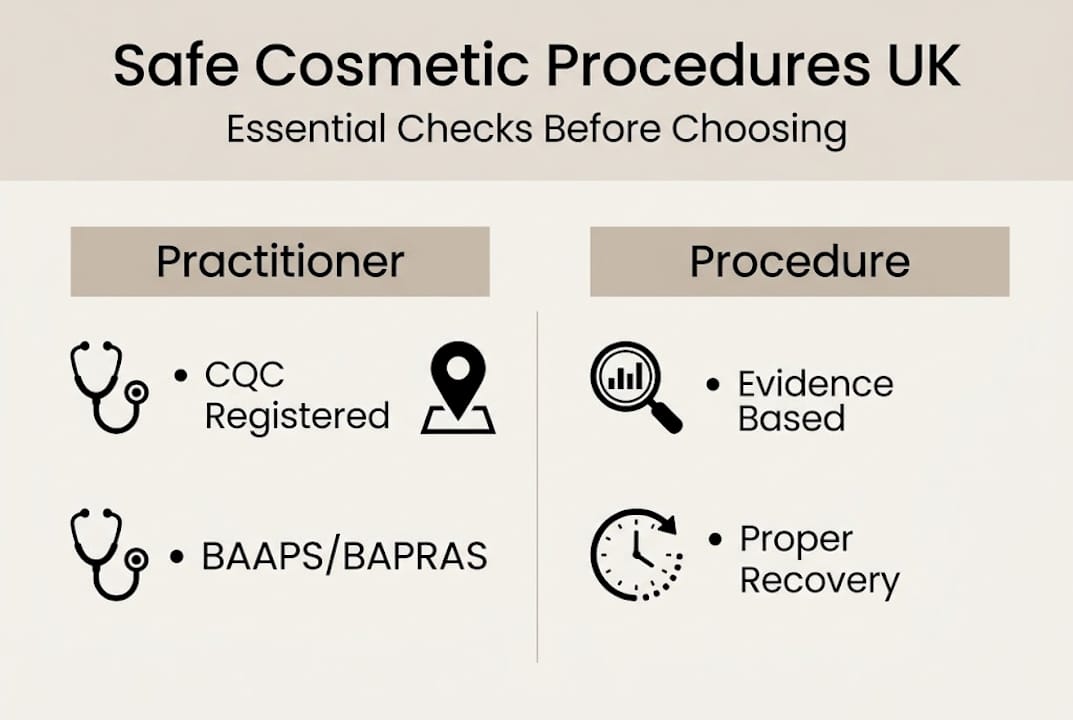
Here is a quick comparison of the most common procedure categories:
| Procedure type | Surgical | Non-surgical | Recovery time |
|---|---|---|---|
| Breast augmentation | Yes | No | 4 to 6 weeks |
| Rhinoplasty | Yes | Partial | 2 to 4 weeks |
| Liposuction / body contouring | Yes | Partial | 1 to 4 weeks |
| Dermal fillers | No | Yes | Minimal |
| Anti-wrinkle injections | No | Yes | Minimal |
| Blepharoplasty | Yes | No | 1 to 2 weeks |
When comparing criteria for procedure selection, the key factors are longevity of results, recovery demands, cost, and risk profile. Non-surgical options carry fewer immediate risks but often require repeat treatments to maintain results. Surgical procedures offer longer-lasting outcomes but demand more preparation, downtime, and aftercare.
A numbered approach to researching your options:
- Identify your primary goal (volume, contour, rejuvenation, correction).
- Research which procedure types align with that goal.
- Look at clinical evidence and patient outcome data, not just social media.
- Compare surgical and non-surgical routes honestly.
- Seek at least two professional opinions before deciding.
One area that demands particular caution is medical enhancements in the UK performed abroad. Complications are rising with procedures done abroad, and the NHS is increasingly burdened with corrective work. A cheaper price tag rarely accounts for travel costs, follow-up care, or the financial and physical cost of fixing problems later. Reviewing popular UK procedures and their safety profiles gives you a much clearer picture of what is realistic.
Choose safe practitioners and clinics
Narrowing down your procedure is only half the work. Who performs it, and where, matters just as much as what is done.
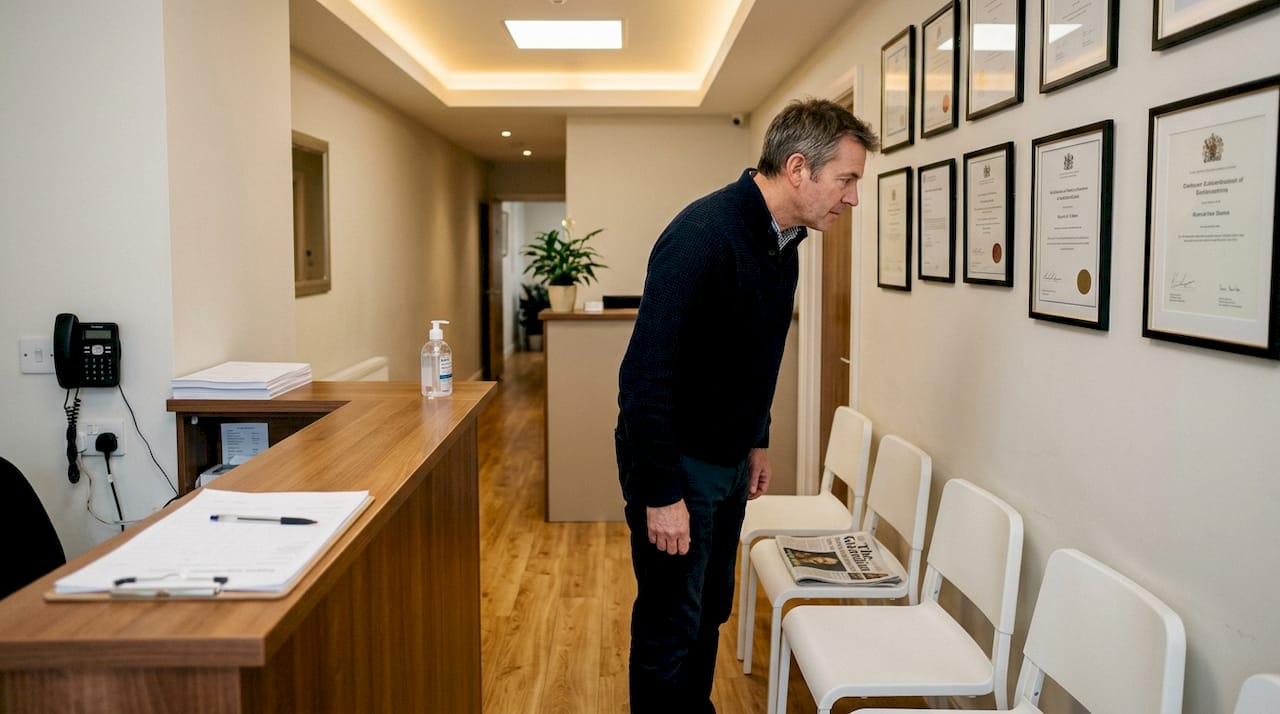
In the UK, practitioners registered with GMC, BAAPS, BAPRAS and clinics with CQC registration represent the baseline standard you should insist upon. These are not optional extras. They are the minimum markers of a safe, accountable provider.
Here is a practical checklist for verifying any practitioner or clinic:
- Confirm the surgeon is on the GMC Specialist Register for plastic surgery
- Check membership of BAAPS or BAPRAS (these require peer review and audit)
- Verify the clinic holds CQC registration (searchable on the CQC website)
- Ask whether the surgeon has specific experience in your chosen procedure
- Request to see outcome data or complication rates
- Confirm what aftercare is included and who provides it
- Ask what happens if something goes wrong
Pro Tip: Never book a procedure based solely on a consultation with a patient coordinator or sales adviser. Insist on speaking directly with the surgeon who will perform your treatment before committing to anything.
Regulation is tightening. High-risk procedures are now restricted to qualified practitioners operating from CQC-registered premises, with licensing requirements extending to lower-risk treatments as well. Under-18s face further restrictions. These changes are designed to protect you, but they also mean that any provider operating outside these frameworks is doing so illegally.
When you attend expert consultations, come prepared with questions about the surgeon’s specific experience, complication rates, and what revision policies exist. Understanding how to evaluate options safely before you commit is the mark of an informed patient, and any GMC-registered surgeon worth their credentials will welcome that approach.
Avoid common pitfalls and make informed decisions
Even well-intentioned patients can be misled. The cosmetic industry, like any other, contains providers who prioritise revenue over patient welfare. Knowing the warning signs protects you.
Avoid providers who advertise only on social media, offer group treatments, host events involving alcohol, promote heavily discounted deals, or pressure you into making immediate decisions. These are not just red flags. They are patterns consistently associated with poor outcomes and regulatory complaints.
BAPRAS offers a practical 5 C’s checklist that every prospective patient should work through:
- Change: Is the change you want realistic and achievable?
- Check: Have you checked the credentials of your surgeon and clinic?
- Consult: Have you had a proper face-to-face consultation with the operating surgeon?
- Cool: Have you allowed a cooling-off period before signing anything?
- Care: Do you understand the aftercare plan and what recovery involves?
The BAPRAS 5 C’s framework is one of the most useful tools available to UK patients, and it costs nothing to use.
“A reputable clinic will never make you feel rushed. If you feel pressured, walk away.”
Beyond the checklist, make sure you understand the full cost picture. That means not just the procedure fee but anaesthesia, facility charges, follow-up appointments, and the potential cost of revision surgery. Understand your recovery expectations before you book, and review recovery tips so that you can plan your time off, support network, and post-operative care properly. Patients who plan their recovery in advance consistently report better outcomes and less stress. Choosing safer procedure options from the start reduces the likelihood of complications that derail that recovery entirely.
A fresh perspective on choosing cosmetic procedures safely
Most advice in this space focuses on what to do. What gets less attention is what the data actually tells us about why things go wrong.
NHS correction cases increased by 94% as a direct result of complications from procedures performed abroad. That is not a minor statistic. It represents thousands of patients who believed they were making a smart financial decision and ended up paying far more, in every sense, than they would have done staying in the UK.
The other pattern worth noting is the gap between trend-driven decisions and long-term satisfaction. Procedures chosen because of a social media aesthetic or a celebrity look tend to age poorly, both literally and emotionally. The patients who report the highest satisfaction years later are those who made conservative, anatomy-appropriate choices with experienced surgeons.
At Lux Plastic Surgery, we see this consistently. The patients who invest time in preparation, choose qualified practitioners, and resist the pressure to act quickly are the ones who come back satisfied. Regulation is catching up with the industry, and that is a good thing. Stay ahead of it by choosing providers who already operate to the highest standards. Keeping up with news and surgeon trends helps you make decisions grounded in current evidence rather than outdated assumptions.
Expert support for your cosmetic journey
Preparing thoroughly is the single most important thing you can do before any cosmetic procedure, and you do not have to do it alone.
At Lux Plastic Surgery, Professor Sandip Hindocha and his team offer personalised consultations across Bedford, London, and Manchester, covering both surgical and non-surgical options. Whether you are just starting to explore possibilities or ready to take the next step, our basic plastic surgery guide is a strong starting point. For those weighing up providers, our advice on how to choose a surgeon sets out exactly what to look for. If facial rejuvenation is your focus, our dedicated facial rejuvenation advice covers your options with clinical clarity. Book a consultation and take the first step with confidence.
FAQ
What are the main signs a cosmetic clinic is safe?
A safe clinic will be CQC-registered with GMC-listed practitioners, hold BAAPS or BAPRAS membership, and provide a clear, documented aftercare plan. If any of those elements are missing, look elsewhere.
How long should I wait before making a cosmetic procedure decision?
A cooling-off period is strongly recommended before signing any agreement. Avoid immediate decisions and use that time to revisit your motivations, research alternatives, and confirm your chosen provider’s credentials.
Are there new UK regulations for cosmetic procedures in 2026?
Yes. High-risk procedures are now restricted to qualified practitioners operating from CQC-registered premises, with licensing extending to lower-risk treatments and further restrictions applying to under-18s.
What is the regret rate for cosmetic procedures in the UK?
Regret affects around 10% of UK cosmetic patients, most commonly among those who made rushed decisions, had unrealistic expectations, or underwent procedures abroad.
Is cosmetic tourism recommended for UK adults?
It is not recommended. NHS correction cases rose 94% due to complications from overseas procedures, and the true cost, financially and physically, almost always exceeds any initial saving.