Medically reviewed by Professor Sandip Hindocha, GMC-registered Consultant Plastic Surgeon and NHS Clinical Director. Articles are reviewed against current UK guidance from the GMC, BAAPS, BAPRAS and NICE.
TL;DR:
- Proper aftercare is crucial for optimal healing and preventing complications after plastic surgery.
- UK surgeons provide personalised aftercare plans, unlike many abroad with limited follow-up.
- Active aftercare significantly improves surgical results and patient satisfaction over time.
Most people spend months researching which surgeon to trust and which procedure to choose, then give very little thought to what happens once they leave the operating theatre. That is a significant oversight. The surgeon’s skill matters enormously, but the weeks and months following your procedure are where healing is won or lost. Poorly managed aftercare can undo even the most technically flawless operation, turning a promising result into a frustrating one. This article explores what aftercare truly involves, how it protects you from complications, and why it deserves to sit at the heart of every treatment plan.
Key Takeaways
| Point | Details |
|---|---|
| Aftercare reduces risks | Careful aftercare lowers the chance of infection, delayed healing, and scarring. |
| Practical steps matter | Simple routines like wound care, rest, and exercise timing significantly improve results. |
| Follow-ups catch issues | Regular clinic checks help spot and address any problems early for safer recovery. |
| UK support is robust | UK surgeons and the NHS provide comprehensive, personalised aftercare post-surgery. |
| Neglected aftercare costs more | Skipping aftercare can lead to avoidable complications and extra NHS burden. |
What aftercare means in plastic surgery
Aftercare is not simply a list of instructions handed to you at discharge. In the plastic surgery context, it is a structured, ongoing programme of monitoring, wound management, and lifestyle adjustments that continues long after you leave the clinic.
It typically unfolds across three broad phases:
- Immediate aftercare (days 1 to 7): Pain management, wound monitoring, dressing changes, and rest to allow initial healing.
- Short-term aftercare (weeks 1 to 6): Gradual return to light activity, compression garment use, follow-up appointments, and scar management beginning.
- Long-term aftercare (months 2 to 18): Scar maturation support, final aesthetic review, and emotional wellbeing check-ins.
What makes this distinct from routine post-operative care is its personalisation. General post-op care covers universal basics, such as safe discharge and pain relief. Aftercare, by contrast, is tailored to your specific procedure, your body, and your recovery goals.
“Structured aftercare minimises risks of complications like infection, delayed healing, scarring, haematoma, and seroma, while actively supporting the natural healing process.”
In the UK, registered cosmetic surgeons are expected to provide a clear aftercare plan as part of ethical practice. This is an area where UK-based care has a real advantage. Patients who travel abroad for cosmetic procedures often return home without adequate follow-up arrangements, leaving them without the clinical safety net needed during the critical healing window. Comprehensive plastic surgery recovery tips make a meaningful difference to how smoothly that window passes.
How aftercare minimises risks and complications
Aftercare is not precautionary box-ticking. It is a clinically active process that directly reduces the chance of serious problems developing.
The most common complications in plastic surgery include infection, delayed wound healing, abnormal scarring, haematoma (blood pooling beneath the skin), and seroma (fluid accumulation). Each of these is influenced by what happens after the operation, not just during it.
Take infection as a clear example. Infection risk post-surgery sits at around 1% overall, but rises significantly in patients who smoke or have diabetes. Without consistent wound care and clinical oversight, that risk compounds quickly.
| Complication | Risk without structured aftercare | Risk with structured aftercare |
|---|---|---|
| Infection | Elevated, particularly in high-risk groups | Significantly reduced with wound protocols |
| Haematoma | Higher without compression and monitoring | Caught early through follow-up checks |
| Hypertrophic scarring | Common without scar management | Minimised with early scar treatment |
| Seroma | Risk increases with activity too soon | Reduced with rest and compression |
For patients at higher risk, the stakes are even clearer. Smokers, diabetics, and those with compromised immunity need to understand that their baseline risk is already elevated. Complication risks explained in clinical detail show just how preventable many of these outcomes are with proper care. Knowing what to expect in recovery ahead of time helps patients prepare realistically.
Essential steps to reduce risk after surgery:
- Keep all wounds clean and dry as instructed.
- Attend every scheduled follow-up appointment without exception.
- Avoid smoking for at least six weeks post-procedure.
- Report any unusual redness, swelling, or discharge to your clinic promptly.
- Follow all compression garment guidance to the letter.
Pro Tip: If you are a smoker or have a chronic health condition, discuss your specific risk profile during your consultation impact on recovery so your aftercare plan can be adjusted before you ever reach the operating table.
Practical aftercare: What patients actually do
Knowing that aftercare matters is one thing. Understanding what it actually looks like day to day is another, and this is where many patients feel underprepared.
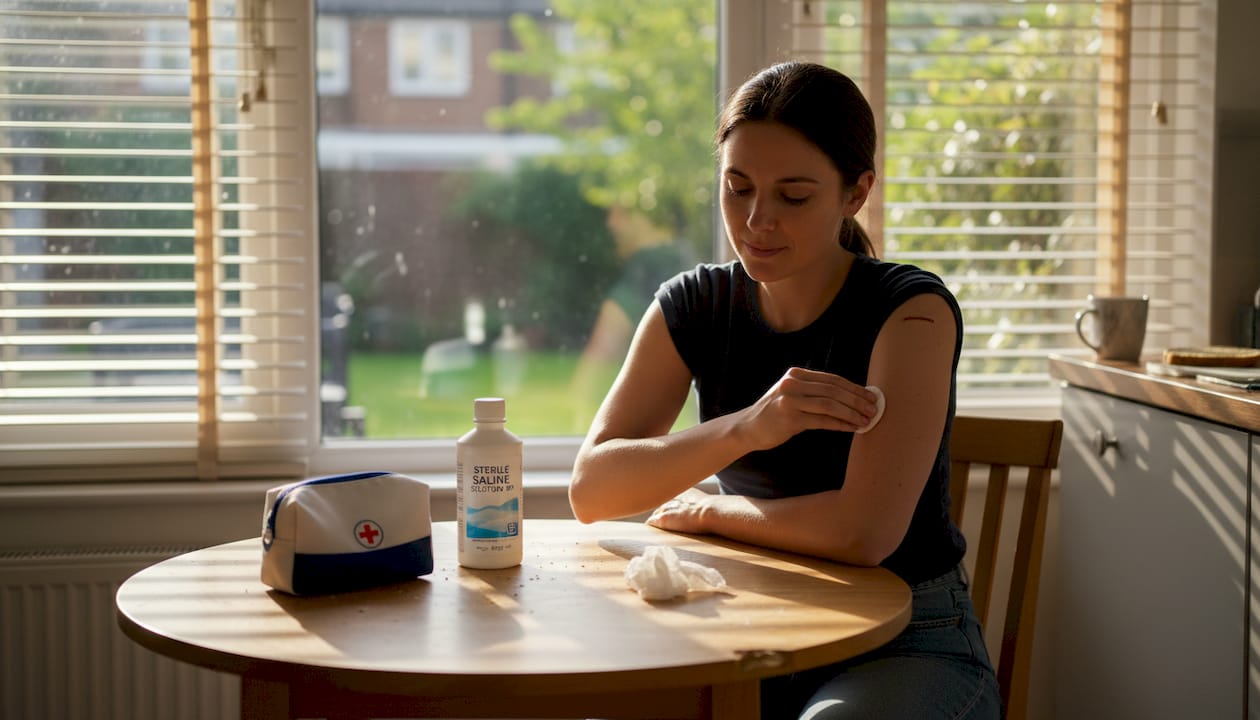
Key aftercare methodologies include keeping wounds clean and dry, applying appropriate dressings, using Vaseline or similar products on healing scars, positioning the body correctly (for example, keeping the head elevated after facial procedures), resting fully for the first 48 hours, avoiding strenuous activity for two to six weeks, managing pain with paracetamol rather than ibuprofen (which can increase bleeding risk), maintaining strong nutrition and hydration, wearing compression garments where advised, and beginning gentle mobilisation early to reduce the risk of blood clots.
| Aftercare task | Typical duration | Purpose |
|---|---|---|
| Wound dressing changes | Weekly, up to 6 weeks | Prevent infection, support healing |
| Compression garment use | 4 to 6 weeks | Reduce swelling, shape results |
| Avoiding strenuous activity | 2 to 6 weeks depending on procedure | Prevent wound breakdown and bleeding |
| Scar massage and treatment | From week 6 onwards | Improve scar texture and appearance |
| Follow-up appointments | At 1 week, 6 weeks, 3 months, 1 year | Detect issues early, review progress |
Beyond the physical tasks, patients need to know what to monitor. Warning signs include increasing redness or warmth around a wound, fever, unexpected pain, fluid leaking from a closed wound, or any sudden changes in the appearance of the area.
- Watch for signs of infection daily, especially in the first two weeks.
- Keep a simple diary of how your wound looks and feels to share at appointments.
- Stay well hydrated and prioritise protein-rich foods to support tissue repair.
Pro Tip: Ask your surgeon for written aftercare instructions, not just verbal ones. When you are tired and recovering, detailed surgeon aftercare advice in written form is far easier to follow accurately.
Practical recovery tips can also help you organise your home environment before surgery so the practical side of aftercare feels manageable from day one.
Aftercare and outcomes: Maximising your results
Afthercare is not simply about staying safe. It is the mechanism through which your surgical results are fully realised. A procedure creates the foundation. Aftercare builds everything on top of it.
Structured aftercare optimises results by managing swelling and bruising in their early stages, controlling the conditions under which scar tissue forms, and allowing follow-up appointments to catch and correct issues before they become permanent. Swelling, for instance, can mask your final result for weeks or even months. Patients who do not understand this sometimes panic unnecessarily or, conversely, assume everything is fine when it is not.
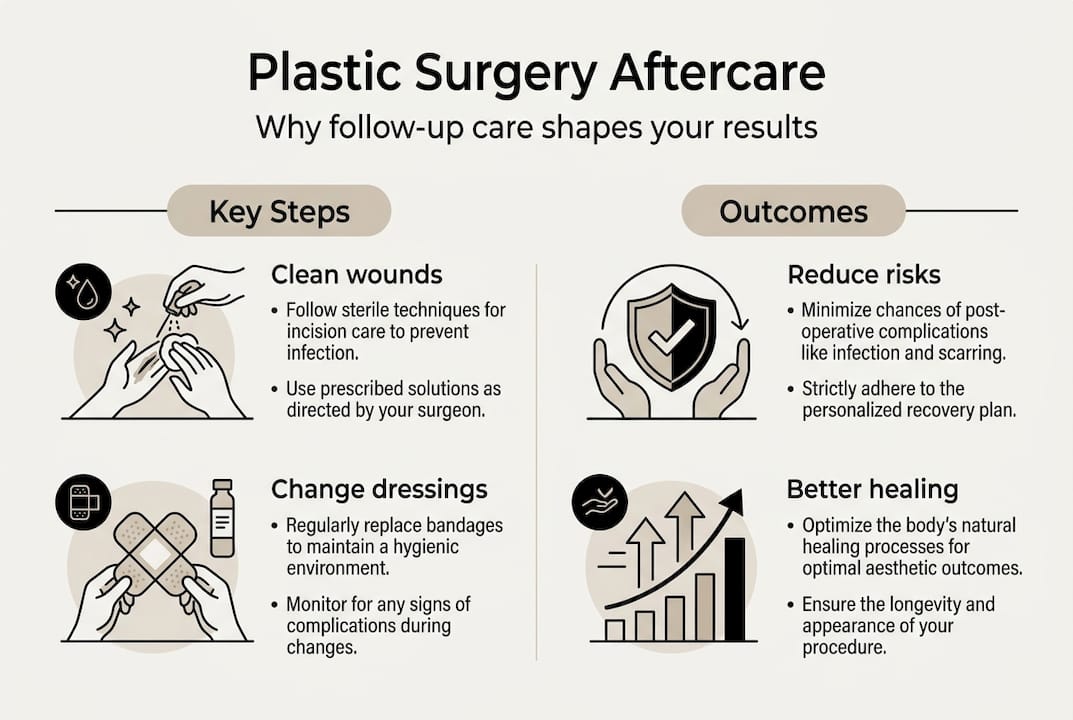
Scar maturation is a particularly underestimated factor. Scars continue to remodel for up to 12 to 18 months after surgery. What you do during that window, including massage, sun protection, silicone-based products, and clinical review, directly shapes how your scar looks at the end of the process.
Enhanced Recovery After Surgery (ERAS) protocols represent a clinically advanced approach to this. ERAS evidence confirms that structured, proactive aftercare programmes reduce complication rates, shorten hospital stays, and improve patient satisfaction significantly.
Factors linked to aftercare that influence patient satisfaction:
- Consistent follow-up appointments that catch problems early.
- Clear communication from the clinic about what is normal and what is not.
- Scar management starting at the right time in the healing process.
- Emotional support during the sometimes-frustrating recovery period.
- Personalised adjustment of recovery plans based on how you are healing.
“Patients who receive thorough aftercare consistently report higher satisfaction with their recovery timeline and their final results, not just safer outcomes.”
UK aftercare: What to expect and pitfalls to avoid
In the UK, you can expect a registered cosmetic surgeon to provide a clear, structured aftercare plan as a standard part of your treatment. This typically includes scheduled follow-ups, direct access to your clinical team for concerns, and guidance that is specific to your procedure and personal health profile.
Cosmetic tourism lacks seamless aftercare and frequently places the burden of managing complications back onto the NHS, often weeks after a patient has returned from abroad with no viable way to contact the original surgical team. This is not a minor inconvenience. It is a genuine patient safety gap.
“Surgeons registered with BAAPS or BAPRAS are bound by professional standards that include comprehensive aftercare as a core part of safe practice, not an optional extra.”
Common pitfalls to avoid after plastic surgery:
- Returning to exercise too quickly, which risks wound breakdown and bleeding.
- Ignoring follow-up appointments once you begin to feel better.
- Relying on online forums rather than your clinical team for advice.
- Travelling abroad for a procedure without confirming follow-up care arrangements.
- Stopping compression garment use early because it feels uncomfortable.
For guidance on how to evaluate options safely before committing to a procedure, including how to assess a surgeon’s aftercare provision, it is worth doing this research before booking. BAPRAS aftercare guidance also sets a clear benchmark for what responsible post-operative care looks like.
Why aftercare is more important than most people think
From experience working with patients at every stage of their surgical journey, one pattern stands out repeatedly. Patients who struggle with their results almost always point to a gap in aftercare, not a flaw in the procedure itself. They missed appointments. They returned to work too soon. They did not feel they could contact anyone when something seemed off.
The uncomfortable truth is that the majority of plastic surgery complications are preventable. They do not arise from technical surgical errors. They arise from the period that follows. Swelling managed badly becomes lasting distortion. A wound left unmonitored becomes an infection. A scar left untreated becomes a source of long-term regret.
Focusing entirely on choosing the right surgeon, then treating aftercare as an afterthought, is the equivalent of buying a high-end car and never servicing it. The asset deteriorates not because it was poorly made, but because it was poorly maintained. Advanced recovery insights reinforce this consistently. Proper aftercare is not an add-on. It is where your investment in surgery pays off.
For safe, supported recovery: Your next step
If you are planning a procedure or currently in recovery, the quality of aftercare you receive will shape your results as much as the surgery itself.

At Lux Plastic Surgery, every patient receives a personalised aftercare plan developed alongside their procedure by Professor Sandip Hindocha and his experienced clinical team. From your initial consultation through to long-term scar review, your recovery is actively supported at every stage. Explore our full range of plastic surgery services or learn how to select cosmetic procedures safely before you begin. For those considering body procedures, our dedicated body contouring support in Bedford includes comprehensive post-procedure care as standard.
FAQ
What is the main purpose of aftercare in plastic surgery?
Aftercare minimises risks of complications such as infection and scarring, speeds up healing, and gives your body the best possible conditions to deliver the results your surgery was designed to achieve.
How long do I need aftercare after plastic surgery?
Immediate aftercare runs from days to weeks, but scar maturation and dressings can continue for up to six weeks, with clinical follow-ups and scar reviews extending for 12 to 18 months depending on your procedure.
Are UK aftercare standards better than abroad?
UK-based surgeons registered with professional bodies provide integrated follow-up care and personalised plans. Cosmetic tourism frequently lacks this continuity, leaving patients without clinical support during the most critical phase of recovery.
What are the most important aftercare steps?
Wound care, elevation, activity restriction, and early gentle mobilisation are fundamental, alongside attending every follow-up appointment and contacting your clinic promptly if anything changes unexpectedly.